Manufacturing Technology is not a mere buzzword anymore, but an important business differentiator to all companies across the world. As automation and artificial intelligence (AI), the Industrial Internet of Things (IIoT), and smart factory systems have advanced, manufacturers are transforming the conventional production line into highly effective, networked digital environments known as Industry 4.0 and beyond. This paper will examine the most recent trends, real-life applications, strategic benefits, and future outlooks that will influence manufacturing technology in 2026 and beyond.
What Is Technology in Manufacturing? (Definition & Scope)
Manufacturing technology is a combination of software and hardware used in automating, monitoring, and optimising production. Key components include:
- – IIoT sensors and digital devices.
- – Artificial Intelligence analytics and machine learning.
- – Autonomous systems and robotics.
- – Cloud and edge computing
- – Digital twins and cyber-physical systems.
The combination of these technologies produces integrated, responsive, and data-driven factories capable of responding in real-time to fluctuating demand, supply and operational states. Smart manufacturing technology does not mean automation only, but a constant optimisation and a wise utilisation of data.
The Reason behind the Importance of Manufacturing Technology in the modern industry.
Manufacturers globally are embracing smart technologies to:
– Improve operational performance.
– Lessen equipment downtimes and wastes.
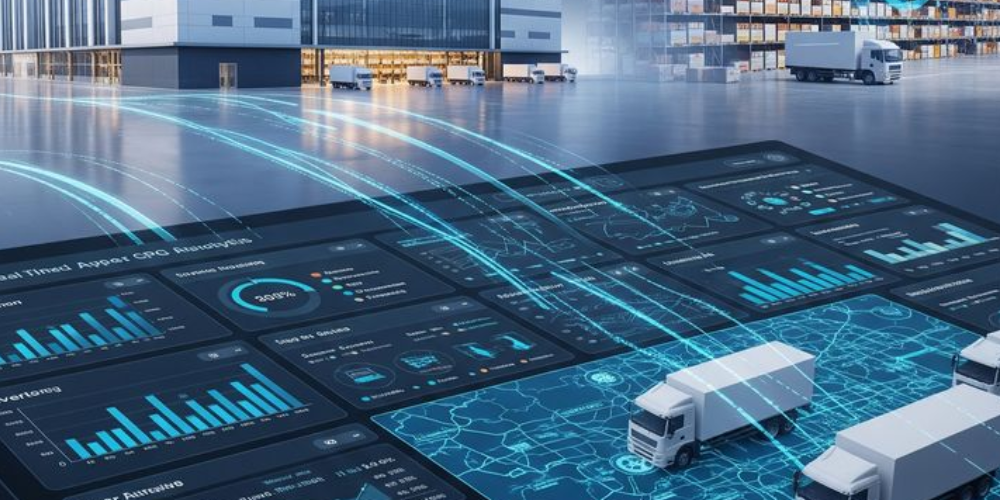
With sensors, real-time data, and predictive analytics, companies reduce downtime as well as waste. IIoT networks are able to constantly check the health and performance of the machinery, making corrections which instantly enhance productivity and the quality of output in the most significant way.
Cut down on Costs by means of the Predictive Maintenance.
The AI and machine learning process consider sensor data to predict equipment failure before it happens. This enables scheduled interventions, reducing the costly unplanned downtime, and offering a substantial cost benefit over a legacy reactive model of maintenance.
Enhance Quality and Consistency.
An AI-based system has real-time feedback, which instantly identifies defects, reducing scrap and ensuring uniform quality of products. Machine vision and automated visual inspection provide enhanced and more precise output that humans can no longer achieve.
Improve Supply Chain Resilience.
Interconnected systems and smart supply chains minimise bottlenecks and enhance responsiveness, enabling manufacturers to adapt promptly to the disruptions in the market. AI-driven applications and supply-chain digital twins optimize supply-chain sourcing, inventory, and delivery.
The best Manufacturing Technology trends in in 2026.
These are the most influential yet technology trends that have pushed manufacturing:
Industrial Internet of Things (IIoT): Connected Factories.
The IIoT is the foundation of the current manufacturing industry, and it connects machines, sensors, and systems to provide real-time data gathering and analytics. It is expected that by 2025, more than 21billion connected industrial IoT devices will be in use, enabling manufacturers to cut both maintenance and downtime costs by up to 30 per cent or 50 per cent.
The IIoT not only allow predictive maintenance, it also supports:
- – Monitoring and optimisation of energy.
- – Tracking of assets during the production life cycle.
- – Process automation to quality control.
The field of Artificial Intelligence (AI) and Machine Learning.
AI is increasingly turning into more than mere automation in manufacturing settings and becoming strategic intelligence. AI algorithms:
- – Predict machine breakdowns
- – maximise production schedules.
- – Improve demand forecasting
- – Real-time product defect detection.
Generative AI is also being used in designing and simulating processes, and it allows fast prototyping and reduces the time required to develop a product. Analysts are of the opinion that organisations that fail to invest in AI are likely to lose market competitiveness.
- Advanced Robotics and Automation
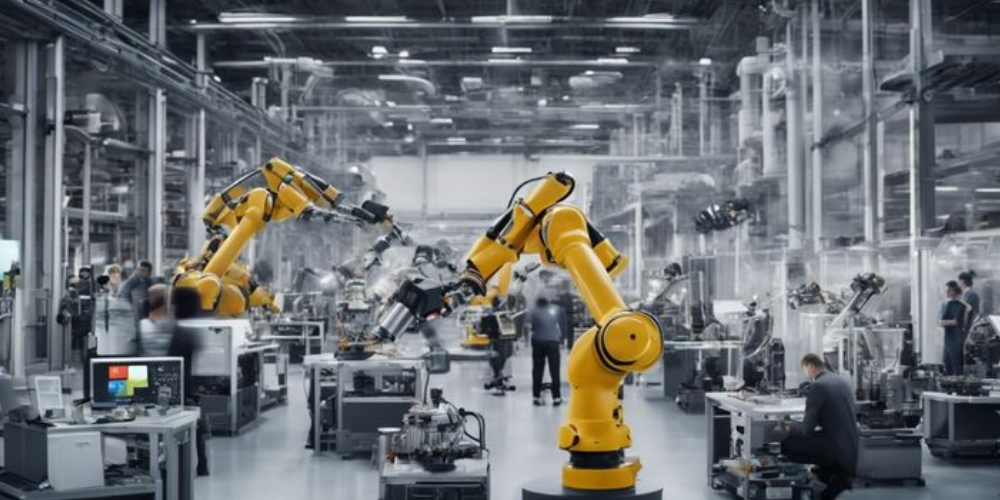
Robotics has moved far beyond static, fixed machines. Today’s robots are:
- Autonomous and capable of adapting to dynamic environments
- Equipped with AI and vision systems
- Able to collaborate safely with humans (cobots)
Major manufacturers, including global automotive brands and electronics firms, are using humanoid and autonomous robots to enhance production efficiency and fill labour gaps.
- Digital Twins and Simulation
A digital twin is a virtual replica of a physical asset, whether it’s a machine, production line, or entire factory. These models enable manufacturers to:
- Test new layouts or processes without risk
- Simulate failure scenarios
- Optimise workflows using real-time data
Digital twins are becoming essential for predictive planning, reducing development costs, and enhancing operational agility.
- Edge and Cloud Computing
As factories produce massive data streams, centralised cloud processing alone isn’t enough. Edge computing processes critical data locally at or near the machines, ensuring real-time responsiveness, reduced latency, and improved reliability even in connectivity-challenged environments. Hybrid cloud edge architectures combine scalability with speed, empowering manufacturers to scale analytics and maintain robust data governance.
- Augmented Reality (AR) and Virtual Reality (VR)
AR and VR are reshaping manufacturing training, maintenance, and quality assurance:
- AR headsets guide technicians through complex repairs
- VR platforms allow risk-free training simulations
- These tools reduce errors and improve production safety
Industry analysts predict wider adoption as connectivity, AI, and sensor networks combine to create immersive, interactive factory floor experiences.
- Cybersecurity for Connected manufacturing technology
As shop floors become interconnected, cybersecurity becomes critical. Industrial networks now blend Information Technology (IT) with Operational Technology (OT), increasing vulnerability to cyber threats. Effective cybersecurity strategies protect intellectual property, prevent system disruptions, and ensure continuity of operations.
Read More: Future of retail Industry in the USA – The Business Legacy
Real-world Applications of Manufacturing Tech.
Artificial Intelligence/Robotics in the Everyday Factory.
Medical devices and consumer goods are just some of the industries that are being transformed by AI and robotic systems. Other firms are applying AI to forecast the problems of machines ahead of time and facilitate the process of continuity in production.
Humanoid Robots at Scale
Sophisticated manufacturing technology plants are using humanoid robots to perform routine and dangerous duties. Some of them are the alliances of robotics companies with leading manufacturers like Airbus and Foxconn.
Smart Food Manufacturing
The smart systems are penetrating even the traditionally low-tech industries, such as food production. The facilities driven by AI have an enormous impact on production and quality, with the creation of new jobs.
The Strategic Advantages of Technology in Manufacturing.
Implementation of the latest technologies provides the following quantifiable business advantages:
- Enhanced Productivity
Automated systems are 24/7 and reduce human error by a long way, enhancing throughput.
- Reduced Costs
Predictive maintenance prevents breakdowns prior to their occurrence, thus reducing repair and downtime expenses.
- Improved Quality
Real-time analytics are able to detect defects immediately as they occur and minimise waste and enhance compliance.
- Sustainability and Reduction of Wastes.
Smart systems are observing the use of electricity, streamlining the flow of materials and minimising environmental effect, matching production to current sustainability requirements.
- Better Worker Experience
AR/VR and collaborative robots liberate employees from monotonous work and provide them with more interesting and safer jobs.
Implementation challenges in Manufacturing technology.
Legacy System Integration
There are still a lot of factories which have outdated equipment that needs retrofitting or replacement to be connected to the modern digital system.
Skills Gap
The highly developed technologies demand a highly skilled workforce with AI, analytics, and digital systems, which is also necessitates investment in training and education.
Cybersecurity Risks
The more people are connected, the more likely they are to be attacked by cyberattacks unless their systems are well secured.
Initial Investment Costs
Although the payback of smart manufacturing, in the long run, is high, the initial cost of systems and integration may be challenging to small and mid-sized manufacturers.
The Future: Beyond Industry 4.0
The manufacturing technology is developing at a high rate. The new ideas of Industry 6.0, in which generative AI and swarms of robots design and print items independently, indicate the future of self-educated factories and entirely autonomous manufacturing.
Conclusion
The world manufacturing is changing the production environment. IIoT, AI, advanced robotics, and digital twins are just some examples of smart technologies that can help businesses to be more efficient, sustainable, and competitive. In order to succeed in 2026 and later, manufacturers will have to adopt digital transformation, invest in talent and security, and keep up with the emerging trends. The future is in the hands of people who will make data act, machines work together, and factories become intelligent along with adaptable, intelligent ecosystems.