AI and automation are rapidly transforming industries worldwide. Technologies once considered futuristic are now part of our daily business operations from smart factories and autonomous vehicles to AI-powered customer service systems. While these innovations promise efficiency, speed, and innovation, they also raise pressing concerns about the future of work.
The central question is whether AI and automation will take jobs or create new career opportunities. For workers, employers, and policymakers, understanding the dynamics of AI job automation, artificial intelligence and employment, and the impact of AI on jobs is essential.
In this blog, we explore both sides of the debate. We examine industries most affected by automation, highlight new career pathways emerging in the AI era, and discuss strategies to balance technological progress with human employment.
READ MORE : AI Content Creation Tools Which Revolutionizing Marketing 2025
Understanding AI and Automation
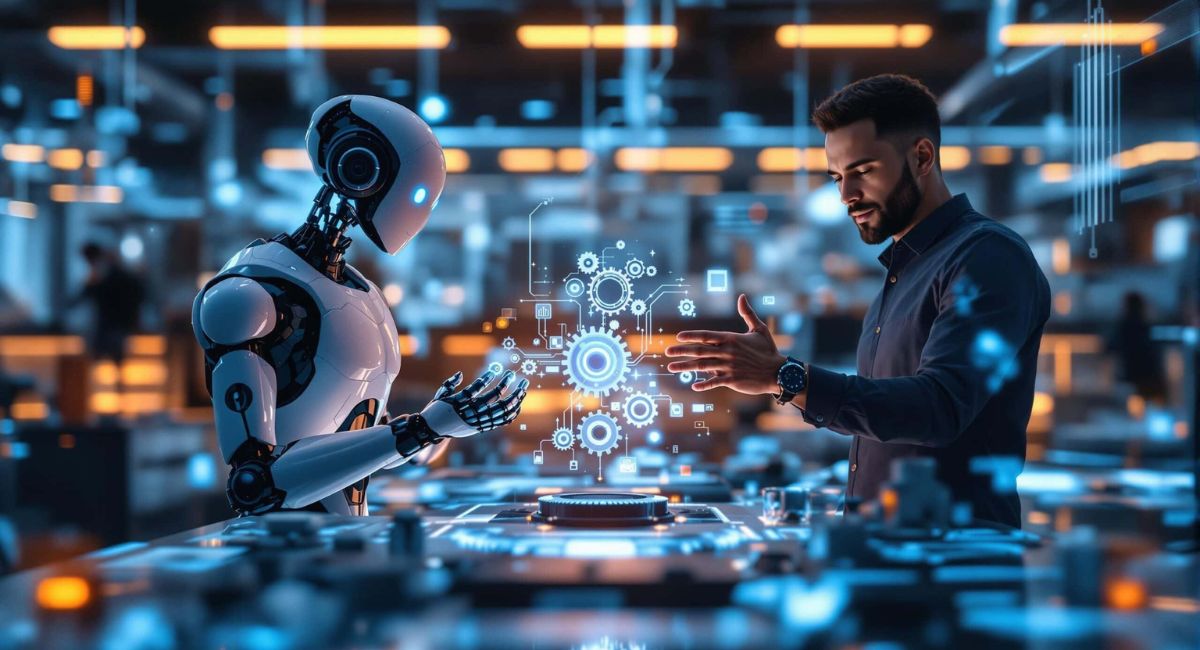
AI and automation refer to technologies designed to perform tasks that were traditionally carried out by humans. These include machine learning algorithms that analyze data, robotic systems that handle production, and intelligent software that can automate decision-making processes.
The influence of AI and automation spans multiple industries. In healthcare, AI supports diagnostics and robotic surgeries. In finance, automated trading and fraud detection systems are reshaping workflows. In logistics, intelligent algorithms optimize supply chains and reduce delivery times.
These technologies offer immense opportunities but also pose challenges for workforce dynamics. Understanding artificial intelligence and employment is crucial to preparing for the changes ahead.
How AI is Transforming Industries
The impact of AI and automation differs across sectors:
- Manufacturing:
- Robotic assembly lines enhance efficiency.
- Reduced production errors and downtime.
- Healthcare:
- AI-assisted diagnostics improve accuracy.
- Robotic surgeries reduce human error and recovery times.
- Finance:
- Automated trading systems handle millions of transactions per second.
- Fraud detection algorithms safeguard against financial crimes.
- Retail:
- AI-driven inventory management prevents overstock and shortages.
- Personalized marketing enhances customer experiences.
AI and automation allow businesses to optimize operations while providing new insights. However, their adoption also raises questions about workforce displacement.
Automation vs. Human Jobs
AI job automation is reshaping employment landscapes. Routine, repetitive tasks are increasingly handled by AI, freeing humans to focus on more complex responsibilities. For example:
- Customer service chatbots handle common inquiries.
- Robotic systems manage repetitive manufacturing processes.
- AI software automates data entry and reporting tasks.
While automation can improve efficiency, it may also reduce demand for certain types of jobs. Workers must adapt by gaining skills that complement AI technologies.
READ MORE : From DVDs to Digital Dominance: Reed Hastings and the Netflix
Will AI Take Jobs?
The adoption of AI and automation has sparked concerns about job loss. Certain industries are more vulnerable, particularly those that rely on repetitive or standardized tasks.
Industries Most Affected
| Industry | Jobs at Risk | AI Implementation Examples |
| Manufacturing | 40% | Robotic assembly lines |
| Retail | 30% | Automated checkout systems |
| Transport | 35% | Self-driving vehicles |
| Customer Service | 25% | AI chatbots and voice assistants |
The table highlights the impact of AI on jobs across various sectors. Routine roles are most at risk, while jobs requiring creativity, empathy, and complex decision-making are less vulnerable.
Challenges of AI Job Automation
The rise of AI job automation comes with several challenges:
- Skill Gaps: Employees may not have the necessary technical skills to work alongside AI systems.
- Workforce Displacement: Routine jobs may be eliminated, creating unemployment risks.
- Economic Implications: Job losses can affect income distribution, economic stability, and social mobility.
- Job Polarization: While high-skill roles grow, middle-skill positions shrink, widening the economic gap.
Addressing these challenges requires proactive workforce planning and upskilling initiatives.
How AI Creates New Opportunities
While AI and automation may displace some jobs, they also create opportunities for growth, innovation, and entirely new careers.
Emerging Careers in AI
New roles are emerging as organizations integrate AI into their operations:
- AI Ethicist: Ensures responsible and ethical AI deployment.
- Machine Learning Engineer: Develops and maintains AI models and systems.
- AI Trainer: Teaches AI algorithms to recognize patterns accurately.
- Data Analyst: Extracts actionable insights from AI-generated data.
Additional Opportunities:
- Demand for AI-savvy professionals across industries.
- Roles supporting AI infrastructure and implementation.
- Entrepreneurial opportunities in AI-based products and services.
Upskilling and Reskilling for the Future
Workers can prepare for AI-driven changes by investing in their skills:
- Training Programs: Online courses and workshops help employees develop AI and automation skills.
- Corporate Initiatives: Companies offer upskilling programs to retain talent and improve workforce adaptability.
- Government Support: Policy-driven reskilling programs prepare workers for emerging AI-related careers.
By focusing on continuous learning, employees can transition into roles that complement AI and automation rather than compete with it.
READ MORE : Cybersecurity Trends 2025: Stay Ahead of Emerging Threats
Balancing the Future of Work
To maximize benefits while minimizing risks, businesses and governments must find a balance between automation and human employment.
Strategies to Balance AI and Human Workforce
| Strategy | Description | Benefits |
| Upskilling Programs | Train employees in AI and automation | Reduces unemployment |
| Hybrid Work Models | Collaboration between humans and AI | Boosts productivity |
| Job Redesign | Modify roles to integrate AI | Enhances efficiency |
Policy Recommendations
- Governments should implement social safety nets, retraining programs, and labor protections.
- Corporations need ethical AI guidelines to ensure fairness and transparency.
- Collaboration between stakeholders can mitigate workforce displacement while leveraging AI and automation for economic growth.
Key Benefits and Risks of AI and Automation
Benefits:
- Increased operational efficiency and productivity.
- Cost savings and resource optimization.
- Creation of innovative products and services.
- Development of new AI-driven career paths.
Risks:
- Job displacement in vulnerable sectors.
- Economic inequality due to uneven adoption.
- Skill mismatches among workers.
- Ethical concerns surrounding AI decision-making.
Understanding both benefits and risks is critical to making informed decisions about AI integration.
Conclusion
AI and automation are reshaping the global workforce. While they may take jobs in some sectors, they simultaneously create new career opportunities for skilled professionals. Balancing these effects requires proactive upskilling, ethical AI implementation, and thoughtful policy interventions.
By embracing AI and automation responsibly, society can harness technological progress to enhance productivity, innovation, and employment opportunities, rather than letting it displace human labor. Know about The Impact of Artificial Intelligence on Human Jobs in the Near Future (source)
Frequently Asked Questions
- What is AI and automation?
AI and automation are technologies that perform tasks traditionally handled by humans, enhancing efficiency and reducing errors. - How does AI affect jobs?
AI can automate routine tasks, create new career paths, and change how work is performed across industries. - Which industries are most impacted by AI?
Manufacturing, retail, transport, and customer service are significantly affected by AI job automation. - Can AI create new career opportunities?
Yes, AI generates roles such as AI trainers, machine learning engineers, and data analysts. - What is AI job automation?
It refers to using AI systems to perform tasks previously done by humans, particularly repetitive or decision-based work. - How can workers adapt to AI in the workplace?
Through upskilling, reskilling, and learning AI-related skills and technologies. - What role does AI play in the future of work?
AI and automation shape job roles, productivity, and industry structures worldwide. - Are all jobs at risk from AI?
No, jobs requiring creativity, empathy, and strategic thinking are less vulnerable. - How can businesses balance AI and human labor?
By redesigning roles, offering training programs, and promoting human-AI collaboration. - What policies help mitigate AI job displacement?
Government retraining programs, ethical AI guidelines, and social safety nets help reduce the risks of job loss.